
How Spray Foam Insulation Can Reduce Your Energy Bills in Texas
For many homeowners in Texas, opening an electricity bill during the summer months can be frustrating. With temperatures frequently reaching extreme levels, air conditioning systems often run for long periods just to keep homes comfortable.
Many homeowners assume that rising energy costs are simply unavoidable because of the Texas climate.
However, the amount of energy your home uses is influenced by more than the weather outside. The condition of your home’s insulation and air sealing system plays a major role in determining how efficiently your HVAC system operates.
A home that loses conditioned air through gaps, cracks, or poorly insulated areas forces the air conditioner to work harder. This increased workload can lead to higher energy consumption and less consistent comfort.
This is one of the reasons many homeowners choose spray foam insulation.
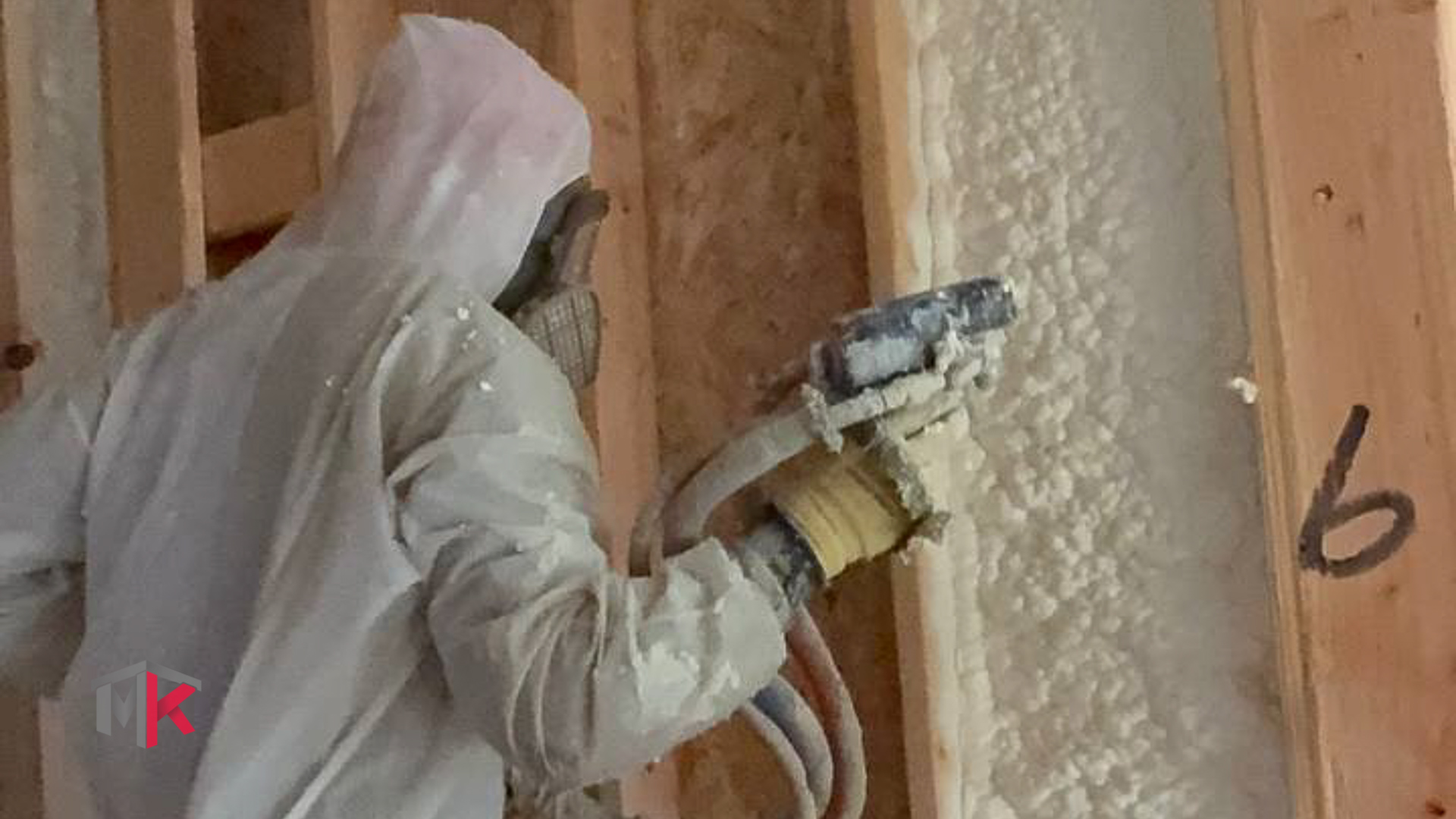
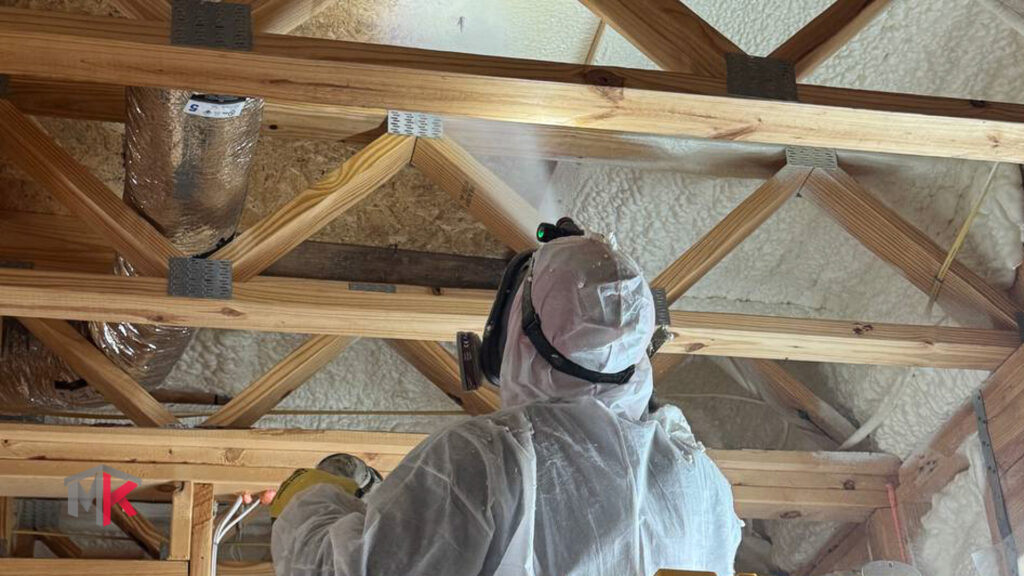
Spray foam insulation does more than add a layer of insulation. It expands to fill openings and creates a tighter building envelope, helping reduce uncontrolled air movement between your home and the outdoors.
For homeowners in Houston, Katy, Cypress, Sugar Land, Richmond, Fulshear, and surrounding areas, improving insulation and air sealing can be an important step toward creating a more energy-efficient home.
⸻
How does insulation affect energy costs?
To understand how spray foam can help reduce energy costs, it is important to understand how heat moves through a home.
Heat naturally moves from warmer areas toward cooler areas.
During a Texas summer:
- Hot outdoor air tries to enter your cooled home.
- Cool indoor air tries to escape outside.
- Your HVAC system works continuously to maintain the temperature you selected.
If your home’s thermal barrier is weak, your air conditioner must run longer to compensate.
This can happen because of:
- Insufficient attic insulation
- Air leaks around construction openings
- Poorly sealed ductwork
- Gaps around plumbing and electrical penetrations
- Older insulation that has deteriorated
Improving the home’s building envelope helps slow this process.
Spray foam insulation addresses two important factors:
1. Thermal resistance — slowing heat transfer.
2. Air sealing — reducing unwanted air movement.
Together, these improvements can help your HVAC system operate more efficiently.
The Role of Air Leakage in Energy Loss
Many homeowners think insulation alone determines how efficient a home is.
However, air leakage is often one of the biggest contributors to energy waste.
Think of your home like a container. If there are small openings throughout the structure, the air you are paying to cool or heat can escape.
Common air leakage areas include:
- Attic access doors
- Electrical outlets
- Plumbing penetrations
- Recessed lighting
- Wall cavities
- Gaps around HVAC components
- Construction joints
Traditional insulation materials may reduce heat transfer, but they typically do not create a complete air barrier.
Spray foam expands after application, allowing it to seal many of these hard-to-reach areas.
This is why air sealing is one of the biggest advantages of spray foam insulation.
How Spray Foam Helps Your HVAC System
Your heating and cooling system is designed to maintain indoor comfort based on the home’s expected conditions.
When air leaks are present, the HVAC system has to compensate for energy losses.
This may cause:
- Longer cooling cycles
- Increased energy consumption
- More temperature fluctuations
- Additional wear on equipment
By improving the home’s insulation and reducing air leakage, spray foam can help create a more stable indoor environment.
Potential benefits include:
- Less heat entering during summer
- Better retention of cooled air
- More consistent temperatures
- Reduced strain on HVAC equipment
It is important to understand that spray foam does not replace proper HVAC maintenance. Filters, equipment sizing, ductwork, and regular servicing remain essential.
⸻
Why Houston Homes Can Benefit From Better Insulation
The Greater Houston area presents unique challenges for homeowners.
The climate includes:
- Long hot summers
- High humidity
- Frequent cooling demands
- Temperature fluctuations
In these conditions, homes with poor insulation may experience:
- Hot upstairs rooms
- Uneven temperatures
- High electricity usage
- Excessive HVAC operation
Many homeowners search for solutions after noticing that certain areas of the house never seem comfortable.
Sometimes the issue is not the air conditioner itself.
The problem may be that the home is allowing too much heat transfer or air leakage.
Improving the insulation system can help address the source of the problem.
Homeowner Checklist
Could your electricity bills be related to insulation issues?
Check the following:
Your electricity bills increase significantly during summer.
Your AC runs almost constantly.
Some rooms are difficult to cool.
Your upstairs feels hotter than downstairs.
Your attic feels extremely hot.
Your home feels humid.
You notice drafts near walls or ceilings.
Your current insulation is old or uneven.
Your home was built many years ago and has never had an insulation upgrade.
If several of these apply to your home, an insulation evaluation may help identify opportunities for improvement.
Did You Know?
A home’s energy efficiency depends on how well all components work together.
Insulation, air sealing, HVAC equipment, windows, doors, and ventilation all contribute to comfort and energy performance.
Improving one part of the system can often help the other components perform more effectively.